Believe All Things Are Possible: A Designer Review
As a professional who has spent years navigating the intersection of digital art and physical stitching, I approach every new machine embroidery design with a critical eye. The market is flooded with generic graphics, so finding a piece that truly translates well from screen to fabric is a challenge. When I first opened the file for Believe All Things Are Possible, my immediate goal was to determine if this design could hold its own in a real-world commercial setting or if it would fall apart under the pressure of production.
This review isn't just about whether the image looks good on a monitor; it is about how Believe All Things Are Possible performs when thread meets textile. For small business owners, Etsy sellers, and crafters looking to elevate their handmade product line, understanding the practical application of a design is just as important as its aesthetic appeal.
First Impressions: Mood and Visual Weight
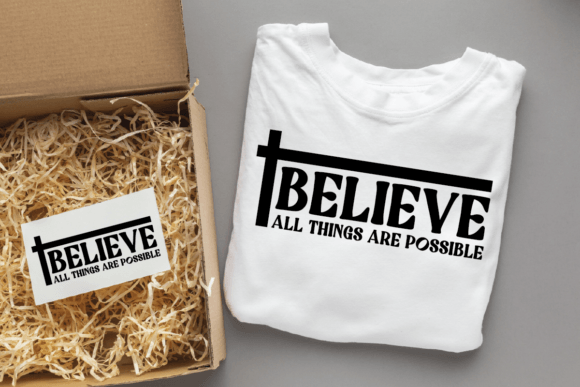
The phrase "Believe all things are possible" carries an inherent optimism that resonates deeply with customers seeking inspiration. Visually, the Graphics style of this design suggests a clean, modern typography layout, likely designed to be legible even at smaller scales. In the world of Crafts, clarity is king. If the lettering is too intricate or the spacing too tight, the final finished product can look muddy after stitching.
Upon initial inspection, the design feels balanced. It doesn't scream for attention with excessive flourishes but rather offers a confident statement. This makes it versatile enough for both personal projects and commercial embroidery. The visual personality is uplifting yet grounded, making it suitable for items that need to convey hope without feeling cliché. Whether you are creating a personalized gift for a graduation or branding a boutique item, the mood is immediately established.
Real-World Application: From Hoop to Shelf
To truly test the value of Believe All Things Are Possible, I imagined placing it on a variety of substrates. Let's start with a custom embroidered tote bag. Tote bags are often made of canvas, which has a distinct texture. A design with high stitch density might struggle to penetrate the weave cleanly, resulting in puckering. However, if this design utilizes a mix of fill stitch and satin stitch effectively, it should lay flat and crisp against the fabric.
I also considered using this for sweatshirt embroidery. Placing a motivational quote on the chest of a hoodie is a popular trend for small shop merchandise. The key here is placement and scale. The text needs to be large enough to read from a distance but not so large that it overwhelms the garment. If the design allows for easy resizing without losing detail, it becomes a valuable asset for apparel decorators.
Another strong use case is the embroidered patch. Patches require designs with defined edges and solid fills to withstand the cutting process. If Believe All Things Are Possible features bold outlines, it would translate beautifully into a detachable patch that customers can iron onto denim jackets or backpacks. This adds a layer of versatility to your inventory, allowing you to sell the design as both a direct embroidery and a DIY kit component.
For those focusing on home goods, consider a pillow cover or a kitchen towel. These items often get washed frequently. The durability of the stitching becomes paramount. A design that relies heavily on delicate running stitch details might fray over time, whereas a robust construction will maintain its integrity. This design seems poised to handle the wear and tear of daily life, provided the correct stabilizer is used.
Navigating Challenges: Where Caution Is Needed
While the potential is high, there are specific scenarios where Believe All Things Are Possible requires careful handling. One major concern is the hoop size. Motivational quotes can sometimes span a wide area. If you attempt to fit this design into a 4x4 hoop without splitting it properly, you risk distorting the letters or running out of room for the needle movement. Always check the dimensions before committing to a project.
Fabric texture is another variable. On thin or stretchy fabrics like jersey knit, the tension required for a dense design can cause the material to pucker around the text. In these cases, using a tear-away or cut-away stabilizer is non-negotiable. Without it, the finished look will be unprofessional, damaging your reputation as a maker.
Additionally, dark fabrics present a unique challenge. If the design relies on light-colored threads, you must ensure the thread colors provide sufficient contrast. A lack of contrast can make the message unreadable, defeating the purpose of the design. Testing the embroidery file on a scrap piece of the actual fabric color is a step I never skip. It reveals issues with visibility and density that a computer screen cannot predict.
Practical Designer Notes for Success
- Test Stitch First: Never run the full design on your final product without a test run on scrap fabric. Check for registration errors or skipped stitches.
- Verify Licensing: Before selling any handmade product featuring this design, confirm the licensing terms. Ensure you have the right to sell finished goods or digital files if you plan to offer them as part of a bundle.
- Check Density: Look closely at the corners of the letters. High density in tight corners can lead to thread breakage. Adjust the settings in your machine software if necessary.
- Mockup Visualization: Create printable mockups in black and white to see how the design reads without the distraction of color. This helps assess the overall balance and readability.
- Stabilizer Selection: Match your stabilizer to the fabric weight. Heavyweight items need heavy support, while delicate nursery decor requires lightweight backing.
Impact on Brand and Customer Trust
In the competitive landscape of online marketplaces, the quality of your design assets directly influences customer trust. A poorly executed embroidery job can lead to negative reviews and returns. Conversely, a crisp, well-stitched version of Believe All Things Are Possible signals professionalism and care.
When a customer receives a custom apparel item with a clear, inspiring message, they feel a connection to the brand. It transforms a simple garment into a statement piece. This emotional resonance increases the perceived value of the item, allowing you to price your products more competitively. For Etsy sellers and boutique owners, this distinction between a commodity and a crafted good is vital.
Furthermore, consistency matters. If you use this design across multiple product lines—such as hats, aprons, and baby clothes—it creates a cohesive collection. Customers recognize the style and are more likely to return for future purchases. The design acts as a subtle logo for your creative entrepreneurship, reinforcing your identity in the marketplace.
Final Verdict for Makers
Believe All Things Are Possible is a strong contender for any embroidery portfolio focused on inspirational content. Its versatility allows it to bridge the gap between personal gifts and commercial merchandise. However, its success depends entirely on the execution. By paying attention to stitch density, choosing the right fabric texture, and adhering to proper stabilization techniques, you can ensure the final result matches the promise of the words themselves.
Before you download or purchase, remember to verify the technical specifications. Does the file format match your machine? Is the resolution high enough for your intended scale? Once you have confirmed these details, you are ready to bring this design to life. With the right preparation, this machine embroidery design can become a staple in your shop, delivering joy and quality to your customers one stitch at a time.