Hello Baby Cut File: A Designer's Real-World Review
As a designer who has spent years navigating the intersection of digital graphics and physical textiles, I approach every new asset with a critical eye. The market is flooded with generic Graphics, but finding a design that translates well from a screen to a stitched finished product requires more than just a pretty image. Today, I am evaluating the Hello Baby Cut File. While the listing describes it as a "Baby Funny SVG design" made for cutting machines, my focus here is on its potential within the realm of machine embroidery design and how it performs when we move beyond simple vinyl cuts to actual thread work.
First Impressions: Visual Weight and Design Personality
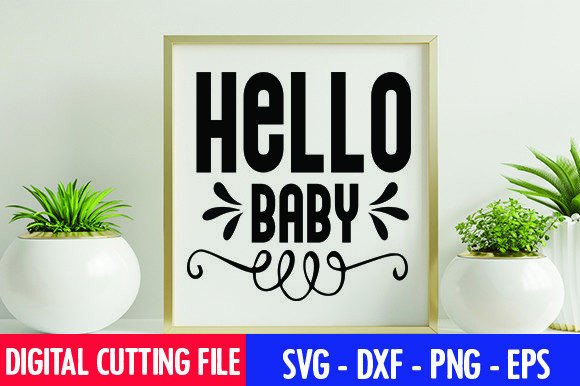
When I first opened the zipped folder containing the SVG, DXF, PNG, and EPS formats, my immediate reaction was one of cautious optimism. The Hello Baby Cut File carries a distinct visual personality. It is bold, playful, and immediately communicates the joy of a new arrival. For an Etsy seller or a small shop owner looking to expand their nursery collection, this kind of clear messaging is vital. However, in the world of embroidery project planning, clarity is everything. The lines appear clean, which suggests that if converted into an embroidery file, the digitization process should be relatively straightforward. There are no overly intricate micro-details that would get lost in the stitching, which is a common pitfall with many "funny" designs found online.
The mood it creates is warm and inviting, perfect for personalized gift items. But does it hold up under scrutiny? When I visualize this on a piece of fabric, the layout feels balanced. It doesn't scream for attention in a chaotic way; instead, it offers a focal point that works well for centering on a garment or accessory. This balance is crucial for maintaining brand consistency across a range of handmade products.
Real-Life Application: From Digital to Stitched Reality
Let's imagine a real scenario. You have a client who wants a custom embroidered tote bag for a baby shower. They want something durable, cute, and professional. Using the Hello Baby Cut File for this tote bag design presents an interesting challenge. If you were to use this as an applique design, the solid shapes of the text and graphics would likely hold up beautifully against a canvas background. The thick lines would allow for a dense fill stitch without risking thread breakage or puckering.
Now, consider a different application: sweatshirt embroidery. Fleece and French terry are textured fabrics. When applying a design like this, the texture can sometimes swallow finer details. Fortunately, the Hello Baby Cut File seems robust enough to handle this. The lettering appears substantial, meaning it wouldn't disappear into the loops of the fabric. However, you must pay close attention to your stitch density. If the density is too high on a heavy sweatshirt, the fabric will pucker, ruining the professional look of your handmade product. Conversely, if it's too low, the design might look sparse and cheap. Finding that sweet spot is where the skill of the embroiderer comes in.
I also see strong potential for embroidered patch creation. Patches are a staple for craft businesses because they are versatile and easy to ship. Converting this digital cut file into a patch format could yield excellent results, provided the edges are finished cleanly with a satin border. This would elevate the item from a simple craft fair trinket to a high-value boutique item.
Navigating Challenges: Where Caution is Required
While the Hello Baby Cut File shows promise, there are specific situations where I would advise caution. First, consider small hoop sizes. If you attempt to fit this entire design into a 4x4 inch hoop, you risk compressing the elements. The spacing between letters and graphics needs room to breathe. Squeezing them together can lead to thread bunching and a messy appearance. Always check the dimensions against your machine's capabilities before committing to a final run.
Fabric choice is another critical factor. On stretchy fabric like jersey knit, this design requires a very stable backing. Without a proper stabilizer, the tension from the needle pulling through the stretchy material could distort the shape of the text. Similarly, on dark fabric, the contrast becomes key. If the original design relies on light colors, you may need to adjust your thread colors significantly to ensure visibility. A dark blue outline on black fleece, for instance, might not offer enough definition for the customer to appreciate the detail.
Furthermore, avoid using this on curved surfaces like caps unless you are an expert at digitizing for contours. The straight lines of the text in the Hello Baby Cut File might struggle to wrap around the curve of a baseball cap without distorting. It is better suited for flat surfaces like pillow covers, tea towels, or the front of a t-shirt.
Practical Notes for the Professional Designer
If you decide to integrate this asset into your workflow, follow these practical steps to ensure success:
- Test on Scrap Fabric First: Never skip the test run. Stitch the design on a scrap piece of the exact fabric you intend to use. This allows you to check for puckering, thread tension issues, and overall clarity.
- Review Stitch Density: If you are converting the SVG yourself, ensure the fill stitch isn't too tight. Leave enough space for the thread to sit naturally without creating a hard, plastic-like feel.
- Check Thread Color Contrast: Use a color wheel to select threads that pop against your fabric base. High contrast increases the perceived value of the custom apparel.
- Confirm Licensing: Before selling any finished product or using this for commercial embroidery, verify the license terms. Ensure you are allowed to sell items made with this design, especially if you are a craft business scaling up production.
- Inspect Small Details: Look closely at the corners and curves. These are the areas most prone to tearing or misalignment during the stitching process.
- Mockup Testing: Create a printable mockup in black and white to see if the design holds its weight without color distraction. This helps assess the structural integrity of the layout.
Final Verdict: Is It Worth Your Time?
The Hello Baby Cut File is a solid addition to a designer's library, particularly for those focusing on holiday embroidery, baby showers, and nursery decor. Its strength lies in its simplicity and boldness, making it forgiving for beginners while still offering enough character for professionals to build a cohesive brand around it. It fits perfectly into the Crafts category, bridging the gap between digital convenience and tangible quality.
However, remember that a great digital file is only half the battle. The true value comes from how you execute it. By paying attention to your stabilizer choices, thread types, and fabric textures, you can transform this design assets into a premium personalized gift that customers will love. Whether you are creating a single item for a friend or a batch of merchandise for your small shop product line, this design offers a reliable foundation. Just take the time to test, tweak, and trust your instincts as a maker. That is how you turn a simple graphic into a masterpiece of thread and cloth.