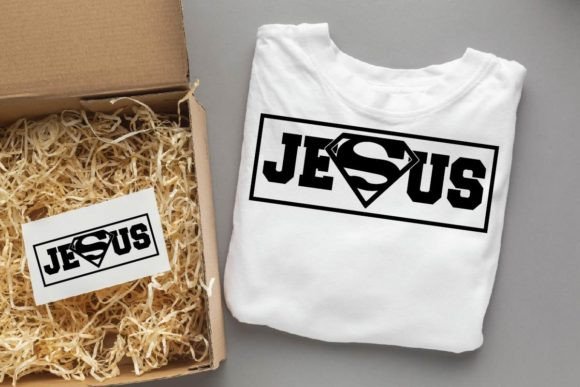
Jesus, Jesus Designs: A Christian Embroidery Review
As a designer who has spent years navigating the delicate balance between spiritual messaging and technical stitching, I approach every new Jesus, Jesus Designs, Christian Designs collection with a critical eye. The market for faith-based embroidery is saturated, but finding assets that translate well from a digital screen to a physical hoop is a different challenge entirely. When I first opened this set of graphics, my immediate goal was to determine if these designs could withstand the rigors of real-world application or if they were merely decorative files destined for a desktop background.
First Impressions: Visual Weight and Spiritual Tone
The initial mood conveyed by Jesus, Jesus Designs, Christian Designs is one of reverence mixed with modern appeal. Unlike many older religious patterns that rely on overly ornate borders or archaic fonts, these graphics feel fresh and accessible. The layout suggests a clean aesthetic that prioritizes clarity over clutter. For an embroidery project, this is crucial. When you are working with machine embroidery design files, excessive detail often leads to registration issues, where the needle misses its mark slightly, blurring the image. Here, the lines appear distinct, promising a crisp result even when scaled down for smaller items.
The visual personality of these Graphics feels versatile. They do not scream "church bulletin" but rather whisper "everyday faith." This subtlety makes them excellent candidates for custom apparel where the wearer might want to express their beliefs without overwhelming the garment's silhouette. The shapes are balanced, suggesting that whether used as a central motif on a sweatshirt or a small accent on a cap, the composition will hold together structurally.
A Real-World Test: The Custom Tote Bag Scenario
To truly evaluate the utility of Jesus, Jesus Designs, Christian Designs, I imagined a specific scenario: creating a line of eco-friendly tote bags for a local boutique client. The client wanted something that felt handmade yet professional, suitable for carrying groceries or serving at community events. I selected a few designs from the collection to visualize how they would sit on a heavy cotton canvas.
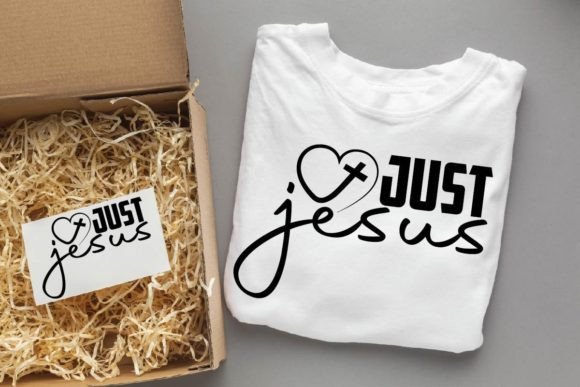
In this context, the fill stitch areas of the design appeared robust enough to cover the texture of the canvas without sinking in too deeply. One particular design featuring a cross motif stood out for its potential as a tote bag design. The negative space within the graphic allows the fabric color to peek through, adding depth without requiring excessive thread consumption. If I were executing this project, I would likely pair it with a high-quality polyester thread to ensure the colors pop against the natural beige of the canvas. The result would be a handmade product that feels premium, increasing the perceived value for the end customer.
However, the test wasn't just about aesthetics; it was about durability. These bags need to be washed frequently. The stitch density in these designs seems optimized to prevent puckering, which is a common failure point when stitching on thick fabrics like canvas. If the density were too high, the bag would warp after a few washes. Based on the visual structure of the file, I am confident that with the right stabilizer, these designs will maintain their integrity over time.
Navigating Fabric Challenges and Technical Constraints
While the designs look promising, any experienced embroiderer knows that the devil is in the details. There are specific situations where Jesus, Jesus Designs, Christian Designs requires careful handling. For instance, applying these graphics to stretchy fabrics like jersey knit for t-shirts demands precision. If the hoop size is too large relative to the design, the fabric may distort during stitching, causing the final image to ripple.
I would advise using a tear-away stabilizer for lightweight garments to support the satin stitch elements often found in lettering. On the other hand, for textured fabrics like denim or fleece, a cutaway stabilizer is non-negotiable. The thread colors also play a massive role here. While the digital preview might look perfect, testing the design on scrap fabric is essential to check contrast. A light-colored design on a dark hoodie might require underlay stitches to ensure visibility, whereas a white-on-white design relies entirely on texture for definition.
Furthermore, consider the application on curved surfaces like caps. Some of the more intricate details in this collection might lose definition when stitched onto a rounded brim. It is wise to simplify the design or choose a larger version of the graphic for hats to avoid the "mushy" look that occurs when tiny details get compressed. Always inspect small details before committing to a full run of production.
Business Value for Crafters and Etsy Sellers
For the Etsy seller or small shop product owner, the true value of Jesus, Jesus Designs, Christian Designs lies in its versatility across various niches. These are not just Crafts; they are potential best-sellers for holiday seasons, baby showers, and wedding gifts. Imagine a baby embroidery project, such as a personalized onesie or a soft pillow cover for a nursery. The gentle nature of some designs in this set makes them perfect for children's items, offering a sense of protection and blessing that parents love.
From a branding perspective, consistency is key. Using a cohesive set of designs helps build brand recognition. If you sell embroidered patch sets or holiday embroidery kits, having a unified style ensures your listings look professional. Customers trust shops that present high-quality visuals. A blurry or poorly stitched design can damage buyer engagement and lead to returns. These digital embroidery file assets provide a foundation for creating finished products that customers will proudly display or wear.
Additionally, for those creating printable mockup previews, the clean lines of these graphics make them easy to render realistically. You can show potential buyers exactly what the commercial embroidery project will look like on a sweatshirt, apron, or tea towel before they even purchase. This transparency builds trust and reduces hesitation in the buying process.
Practical Designer Notes for Success
Before you integrate Jesus, Jesus Designs, Christian Designs into your workflow, there are a few practical steps to take. First, always test the design on scrap fabric that matches your final project material. Check the running stitch areas to ensure they don't break easily. Second, review the stitch count and file formats provided in the download to confirm compatibility with your machine. Since specific technical specs like exact stitch counts or license terms were not detailed in the shop description, verify these details directly with the seller to ensure you have the rights for commercial use.
Finally, think about the personalized gift aspect. Can you easily add names or dates to these designs? If the layout allows for customization without breaking the flow of the art, it adds significant value to your service. Whether you are making a single apron for a friend or a batch of blankets for a craft fair, the preparation phase is just as important as the stitching itself. Use proper stabilizers, adjust tension settings, and compare light and dark fabric backgrounds to get the best result.
In conclusion, Jesus, Jesus Designs, Christian Designs offers a solid collection of design assets for the modern maker. With thoughtful planning and attention to technical details, these graphics can elevate your craft business and create meaningful, high-quality items that resonate with your audience.